‘Bathroom problem, please attend’ leaves almost everything to the first visit. A useful work order describes what has been observed, where it is happening and how the contractor can gain access. It helps the visit begin with the right question and gives the manager a record of what was actually resolved.
Describe the symptom, identify the location, confirm access and define who approves further work. Close the order with evidence of the result.
Report observations before suggesting a repair
State what the occupant or manager has noticed and when it happens. ‘Water appears in the cabinet after the sink is used’ is more useful than ‘replace tap’ when the cause is not known. Include when the issue was first seen and whether it is ongoing or intermittent.
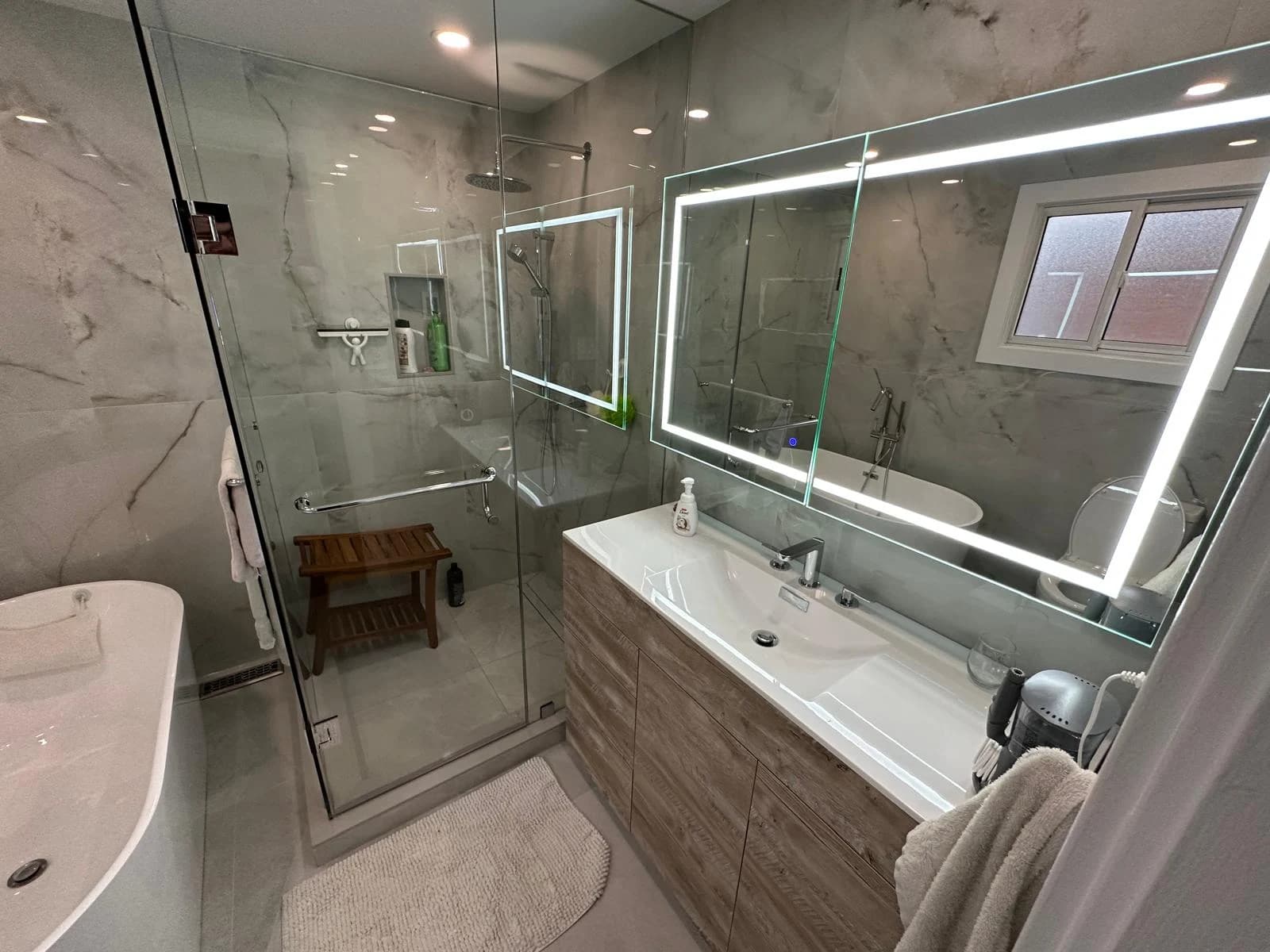
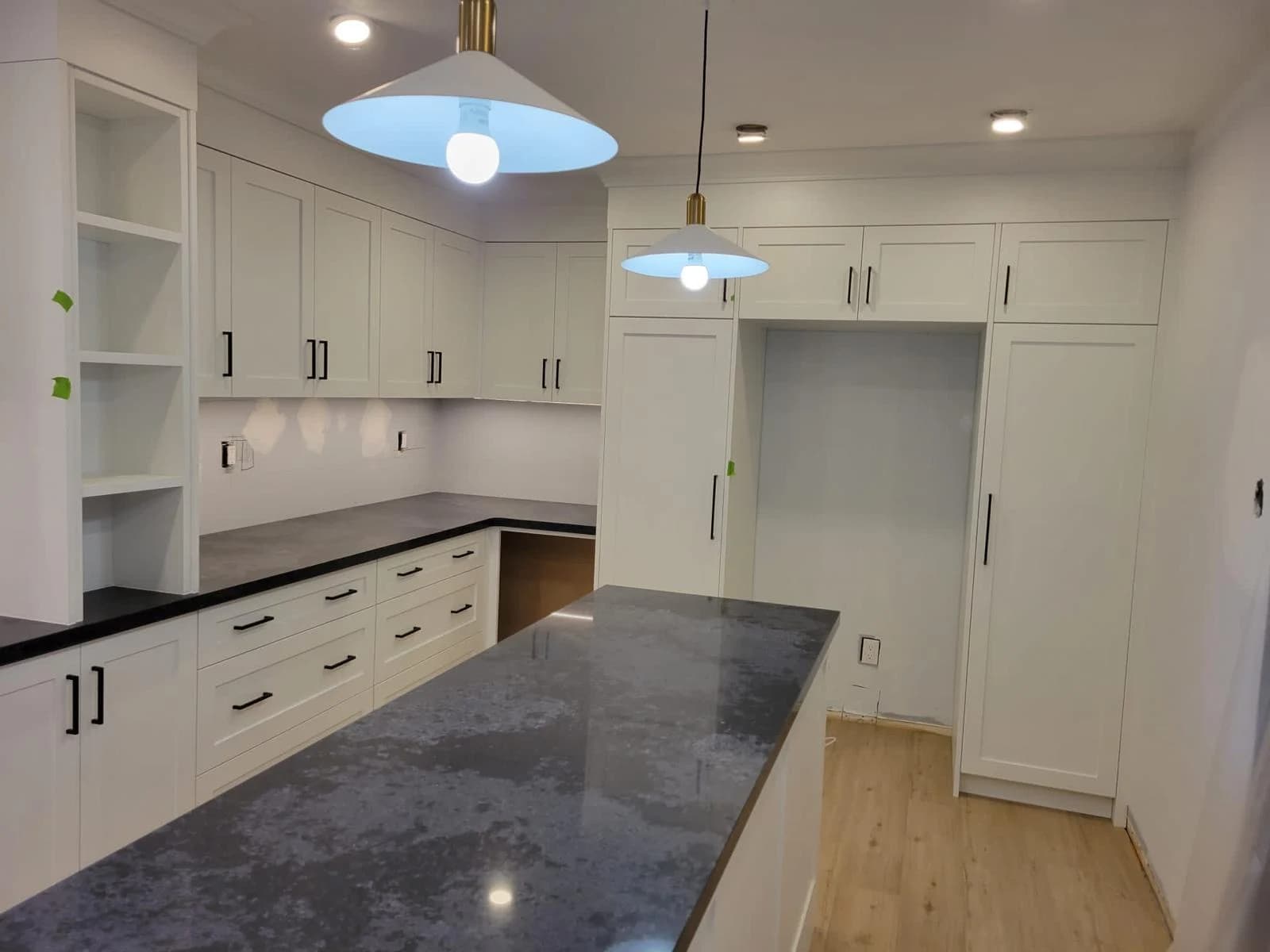
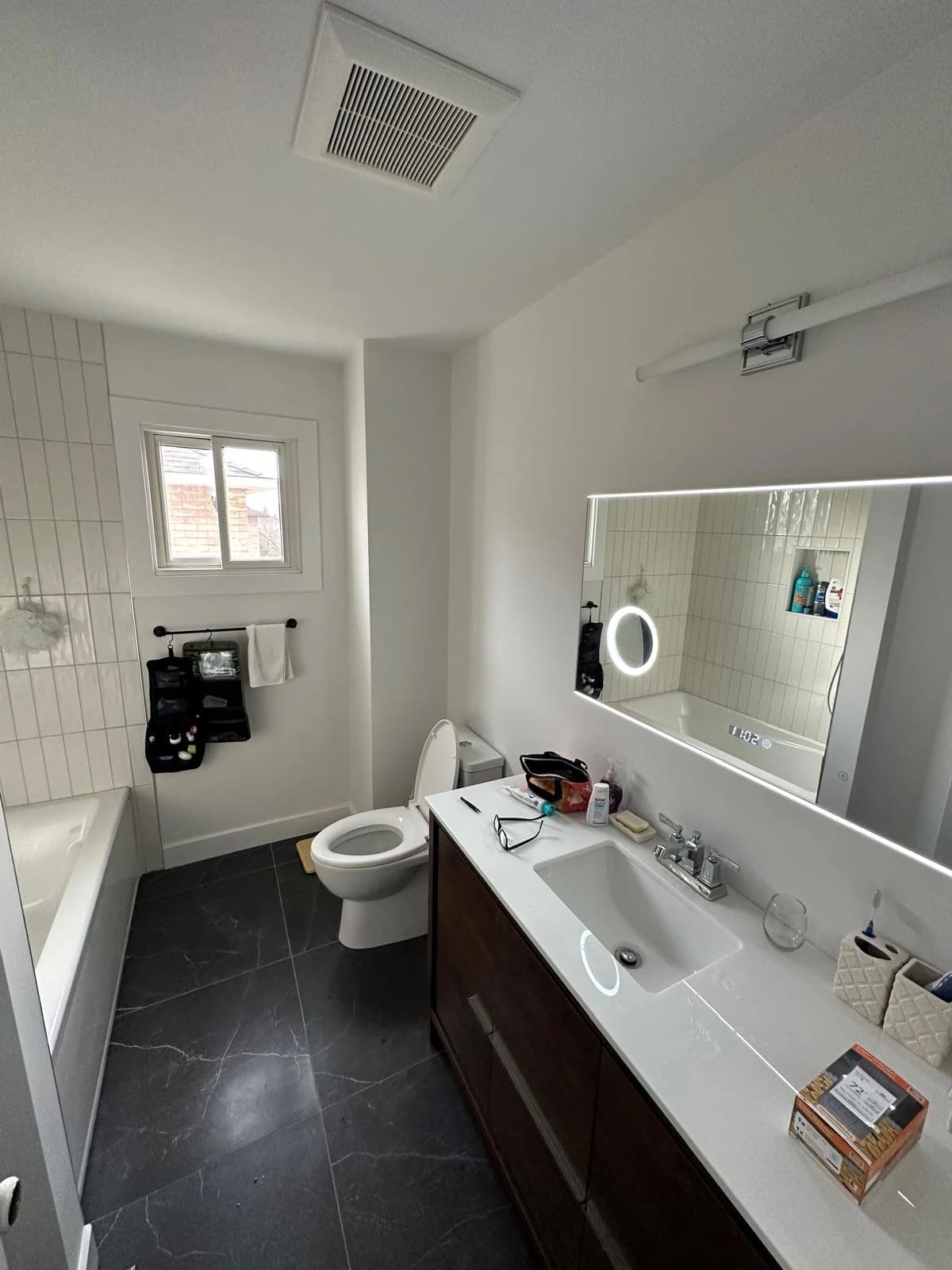
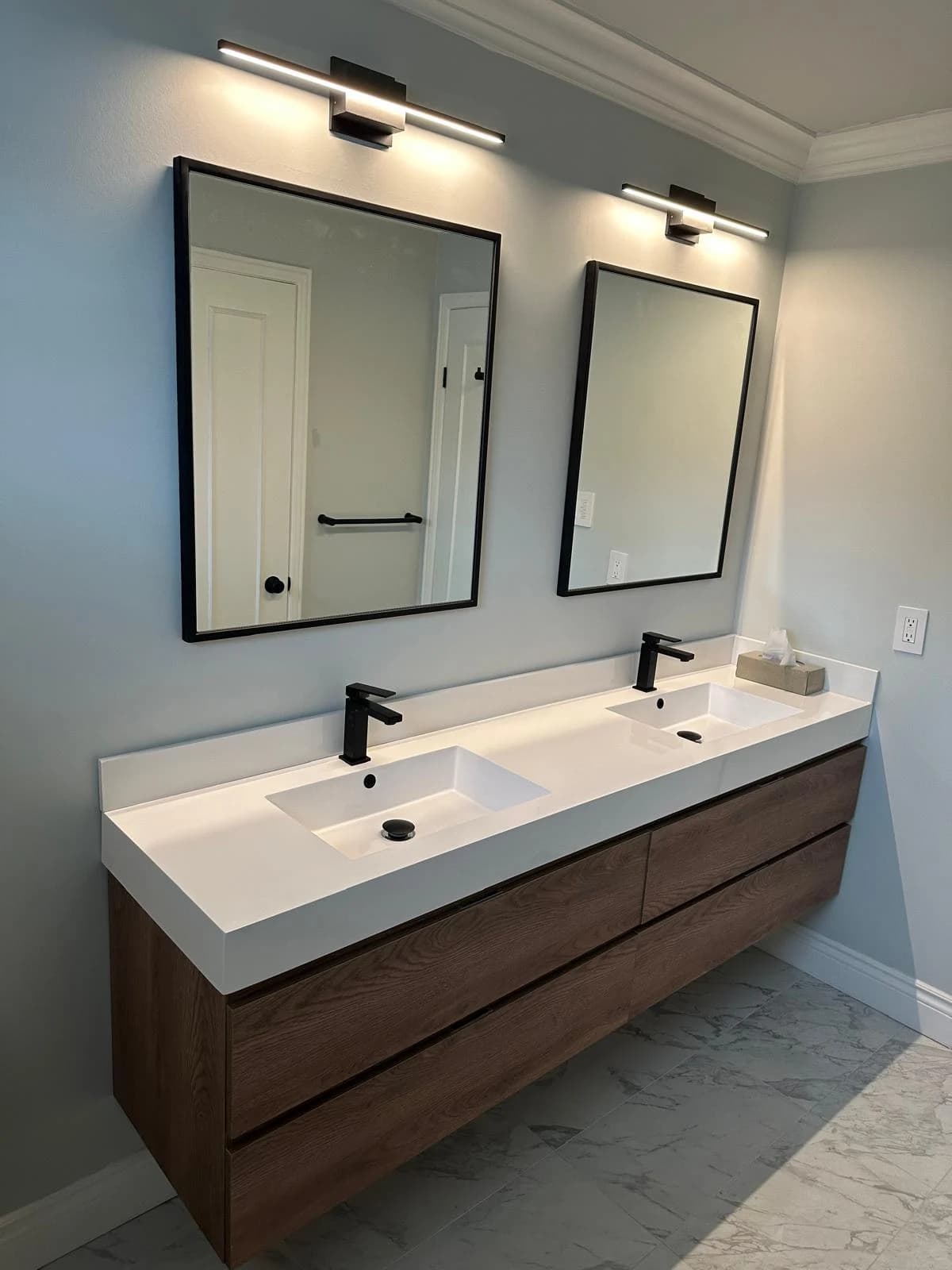
Add one wide photograph showing the location and close-ups showing the concern. Avoid sending unrelated personal details or images of occupants. Record the building, unit and room in the work order itself so a forwarded photograph does not become detached from its address.
Make the access arrangements complete
Confirm the contact person, authorized entry arrangements, parking or loading instructions and any building-specific work restrictions. Do not treat a contractor’s availability as permission to enter an occupied unit. The manager should confirm the appropriate arrangements with the occupant.
If the repair may affect water, power or access to part of the property, flag that possibility for planning. Shared systems may require building management coordination beyond the individual unit’s work order.
Separate diagnosis from approval
State whether the contractor is attending to inspect, perform a defined repair or investigate and propose options. Name the person who can authorize additional work and provide a reliable way to reach them.
For a group of small tasks, use a numbered list. If one task requires a part or specialist visit, the others can still be recorded independently. This avoids marking an entire order ‘complete’ when the main concern is still waiting for action.
Close the loop with a useful record
Ask for a short account of the finding, the work completed, any parts used and anything still outstanding. Keep before-and-after photographs where appropriate. A completion note should say more than ‘attended site’.
Link the invoice and follow-up visit to the original job reference. If the same symptom is reported again, the next person can see what was checked and avoid starting from a blank page. Repeated issues should be reviewed as a pattern rather than handled as unrelated tickets.
Your planning checklist
- Address, unit, room and clear symptom.
- Relevant photographs and timing.
- Confirmed access and site contact.
- Defined approval contact and scope.
- Completion notes, remaining tasks and invoice reference.