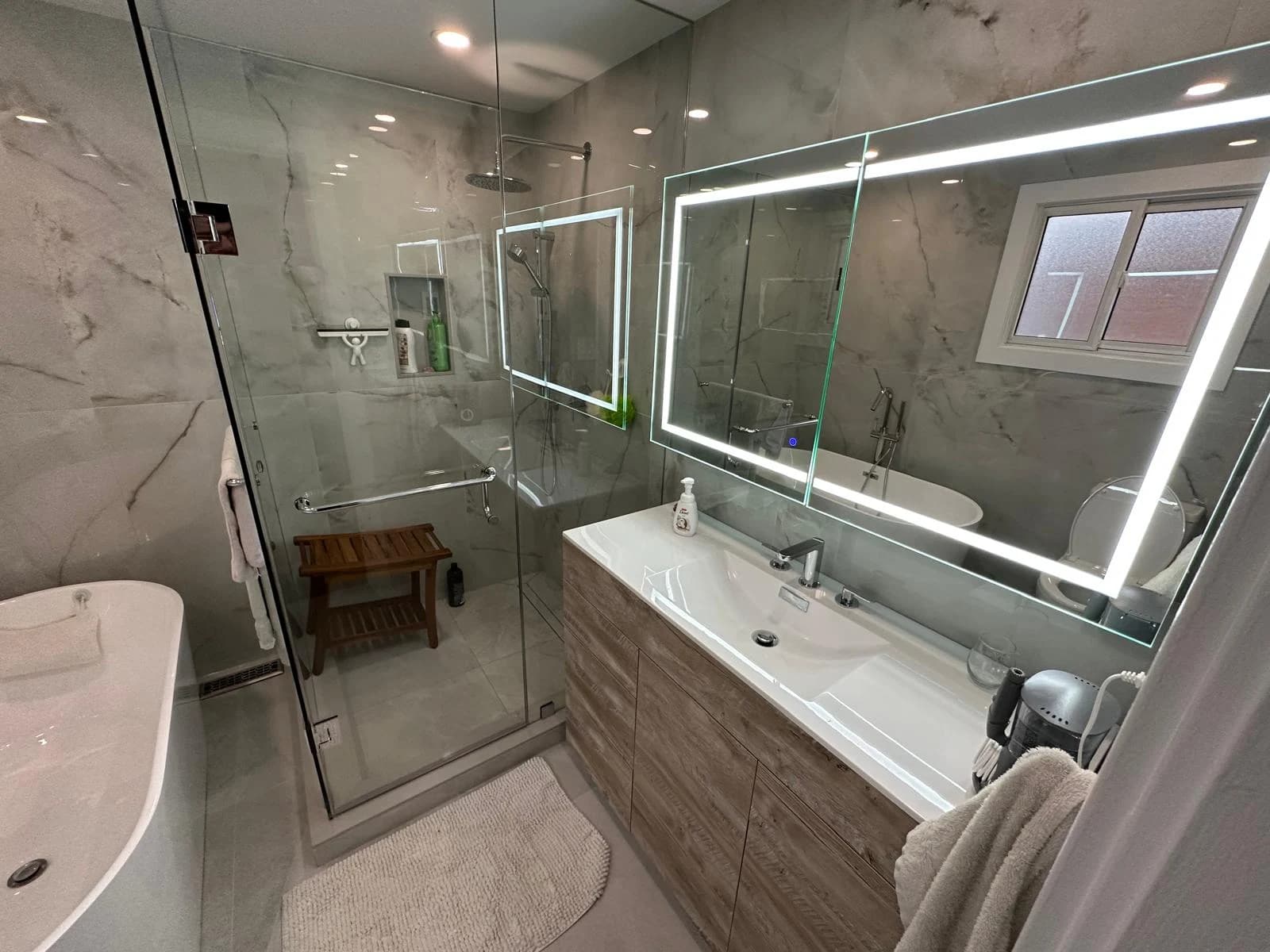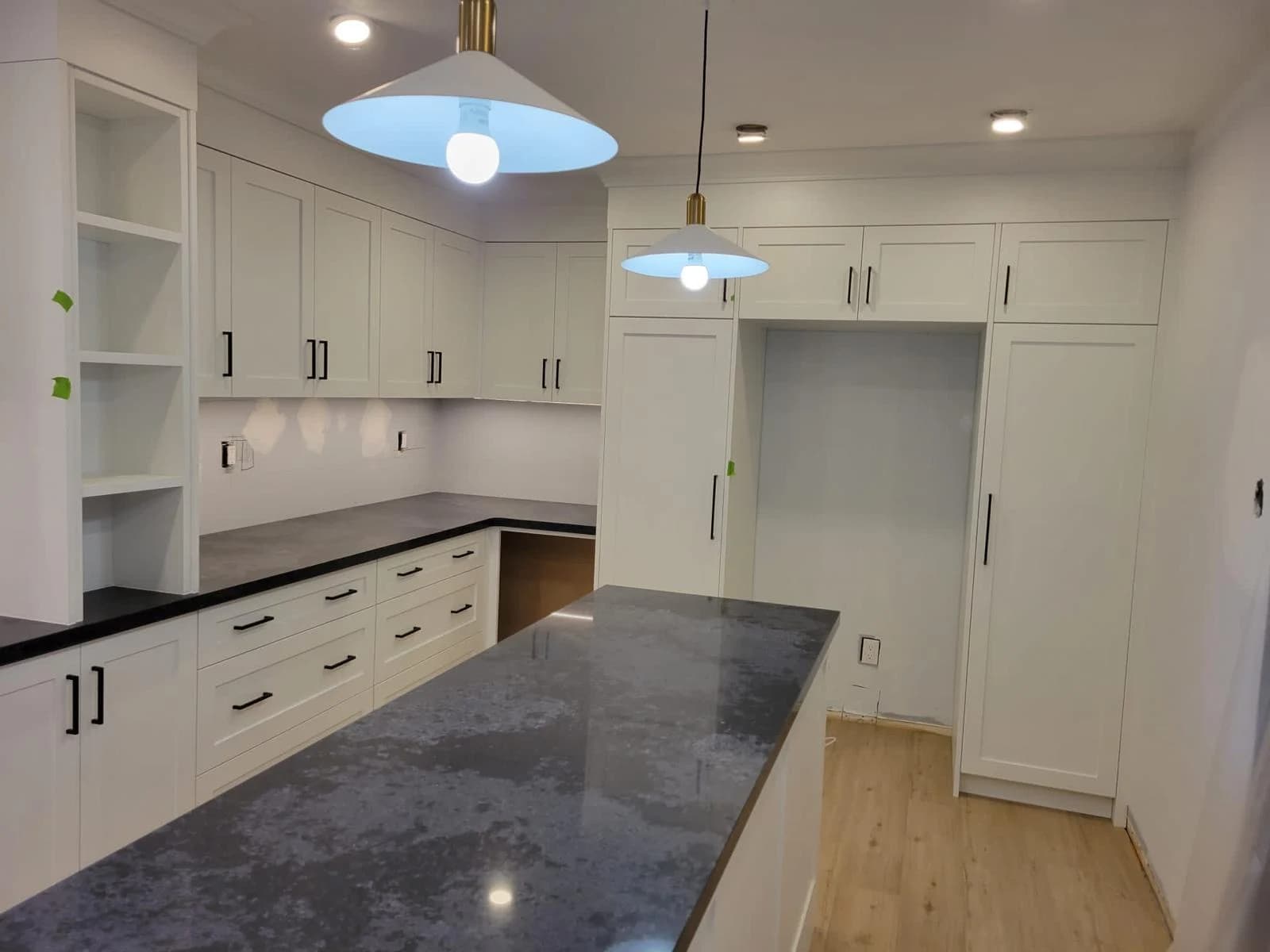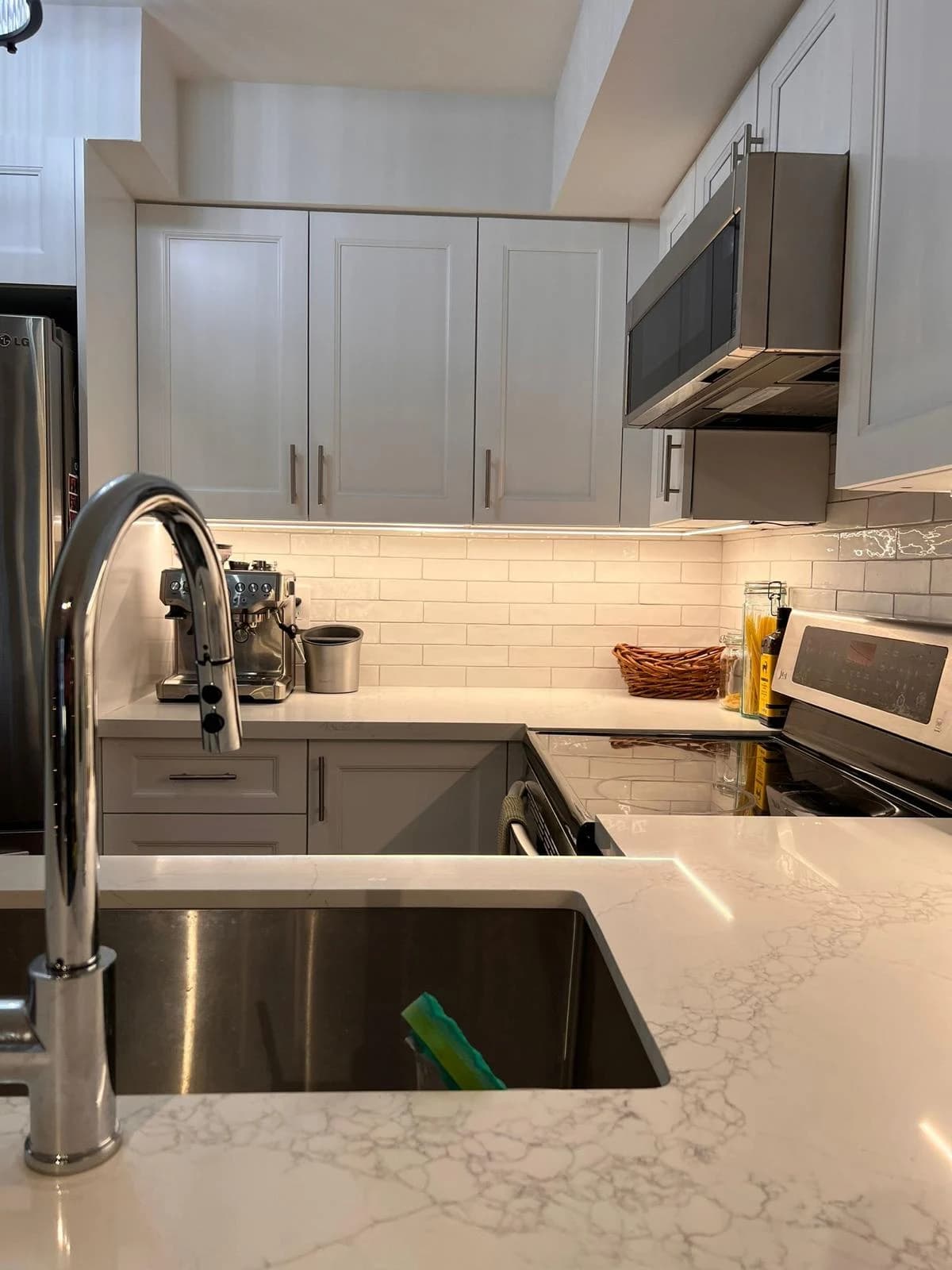
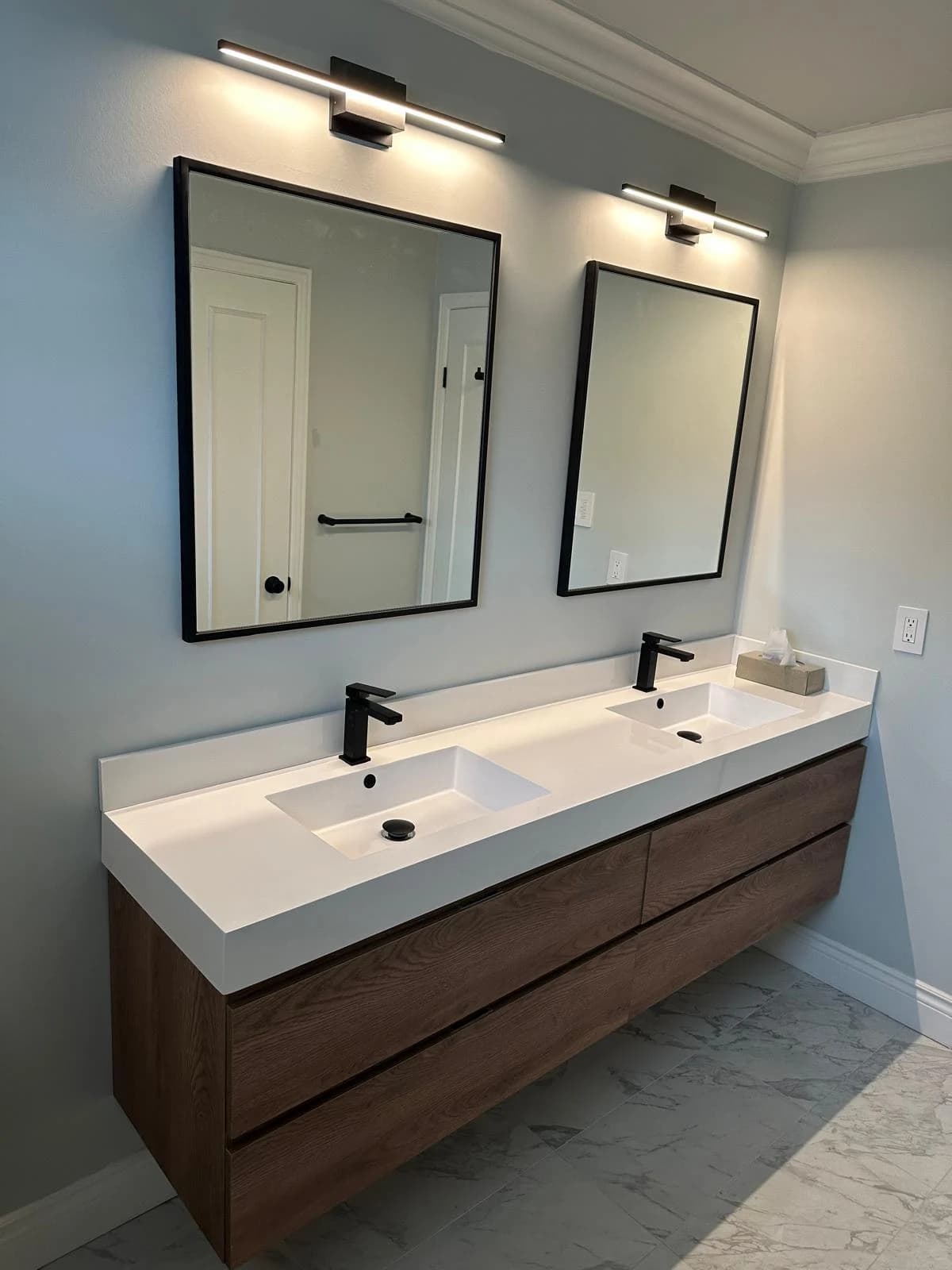
A fixture replacement involves more than the box from the supplier. The existing opening, nearby surfaces and access to connections all affect the job. Checking those details before ordering helps distinguish a straightforward replacement from a small renovation.
Confirm the actual product against the existing space and include any surrounding repair or finishing work in the scope.
Share the current setup and the exact replacement
Photograph the fixture in context and provide the proposed model number. Include dimensions and manufacturer information rather than relying on a product’s marketing photograph. A sink, vanity or tap needs to work with the other parts around it.
If you are keeping an existing countertop or cabinet, make that clear. The contractor should review the available opening, mounting arrangement and access before confirming that the new product suits the space.
Ask what removal will expose
A different vanity footprint can reveal unfinished flooring or wall areas. Replacing a sink may involve the surrounding countertop or seal. Ask what is visible now and what may only become clear after removal.
Put allowances and exclusions in the estimate. If damaged material is found, agree how it will be photographed, assessed and approved before the work expands. Reusing an existing component should be an explicit choice, not an assumption made to complete the installation.
Coordinate access and interruptions
Ask what access is needed, what must be cleared and how the room will be left between visits. In a multi-unit property, confirm whether building management must arrange any shared-service access or interruption.
A fixture change that also relocates services needs a different review from a replacement in place. Confirm applicable permit requirements with the municipality and the contractor for the actual scope. Avoid treating the purchase of a new fixture as permission to change the system around it.
Include the final checks and finishing
Clarify who removes the old fixture and packaging, who completes surrounding patching or painting, and what final checks are included. A plumber’s installation scope and a decorator’s restoration scope should meet without leaving an unassigned gap.
Keep the product information and completed work record. For a rental unit, record the model under that unit’s maintenance history. Ordering a matching part later is easier when someone has saved the details from the original installation.
Your planning checklist
- Send existing-condition photographs and the new model number.
- Check compatibility with retained surfaces.
- Plan access and any service interruption.
- Assign disposal and surrounding finish repairs.
- Keep product and completion records.