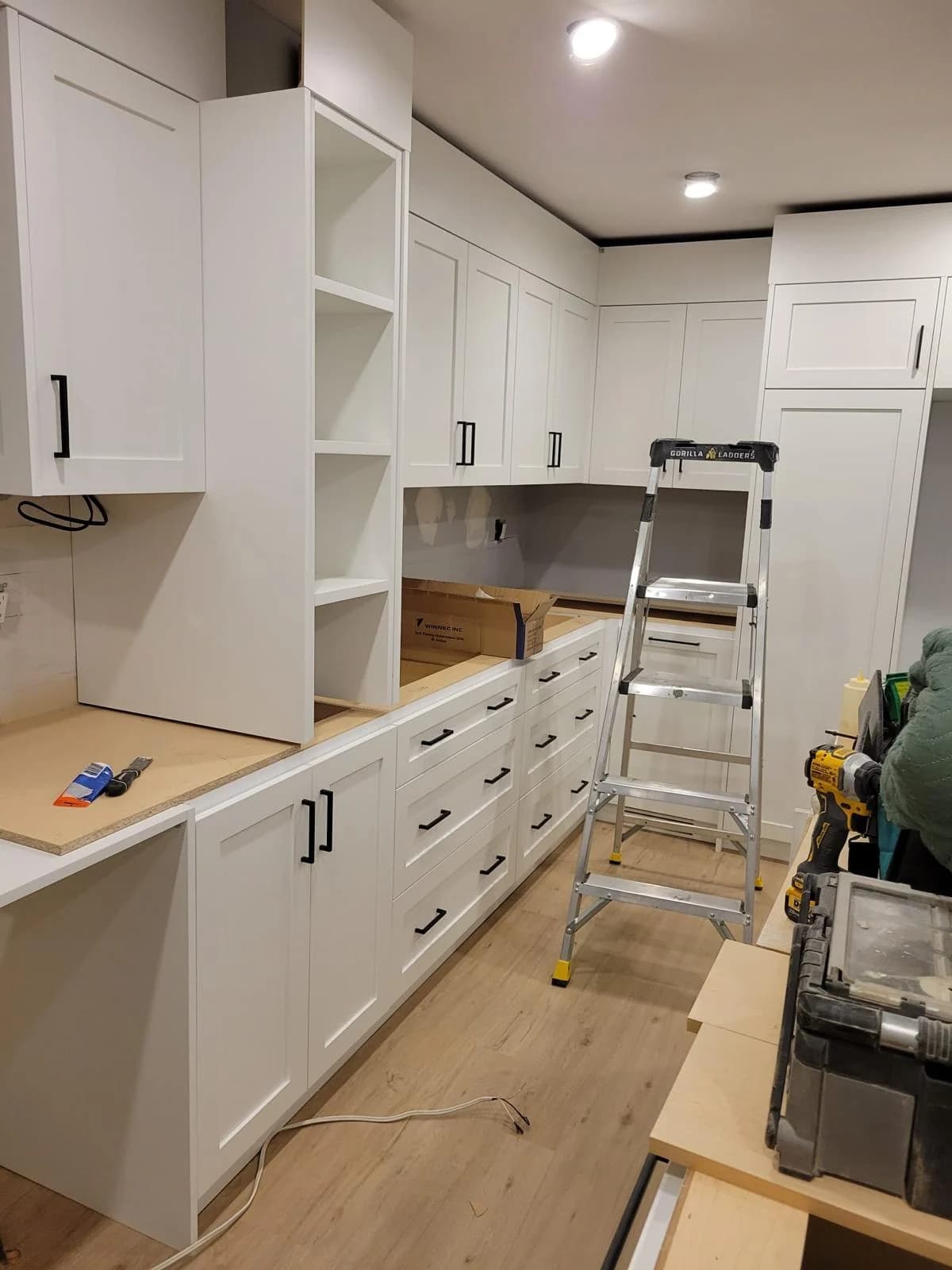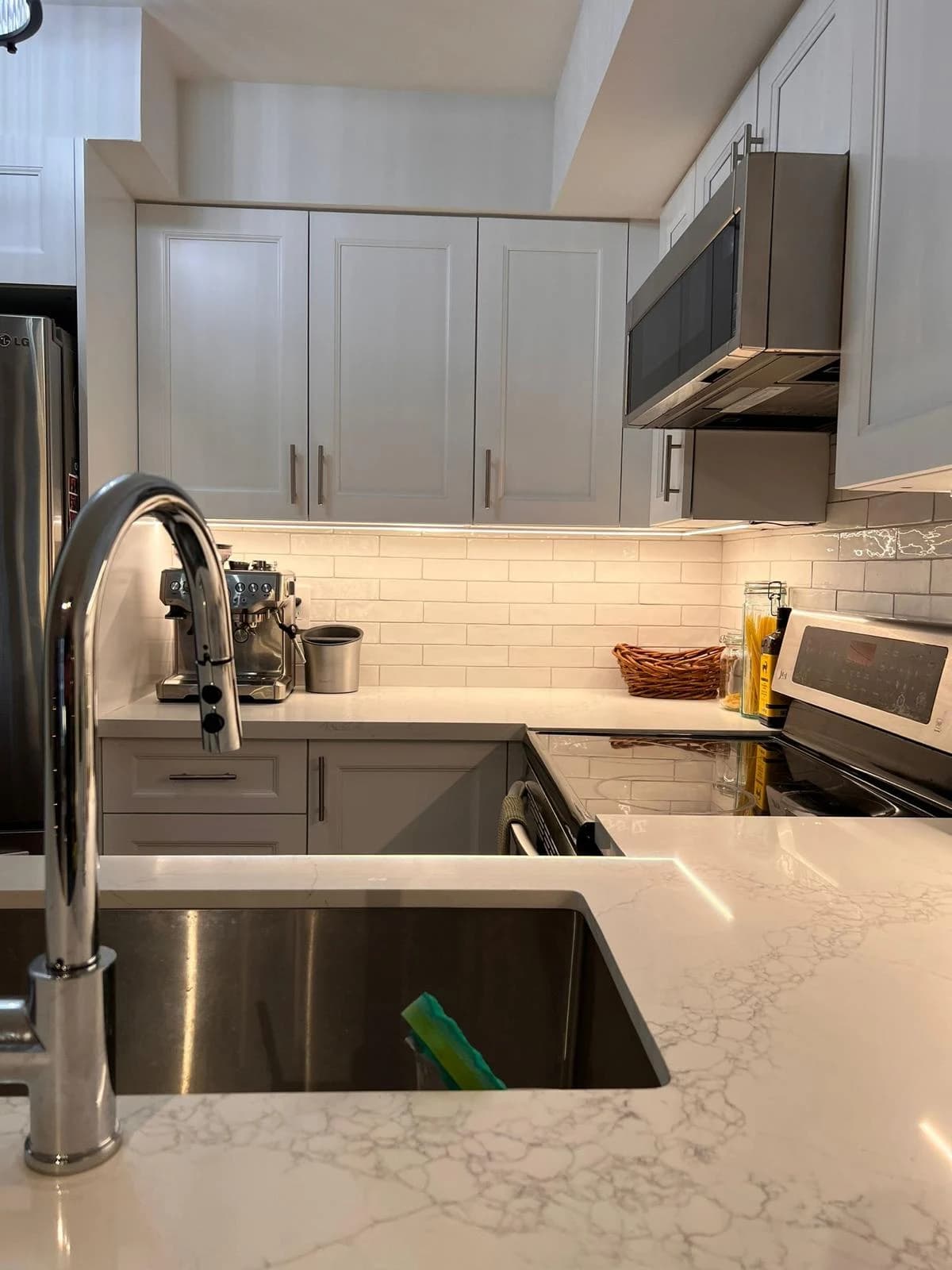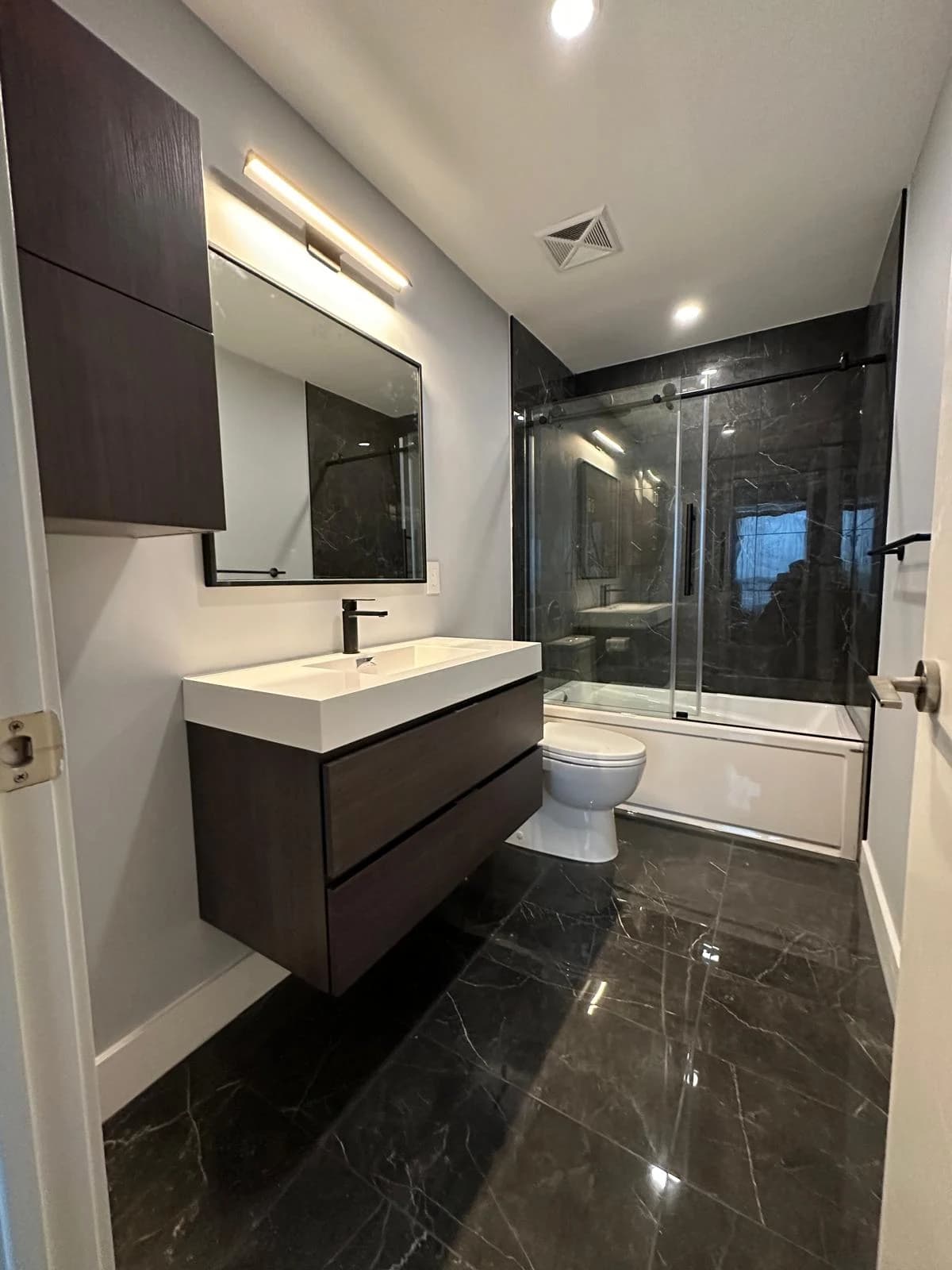
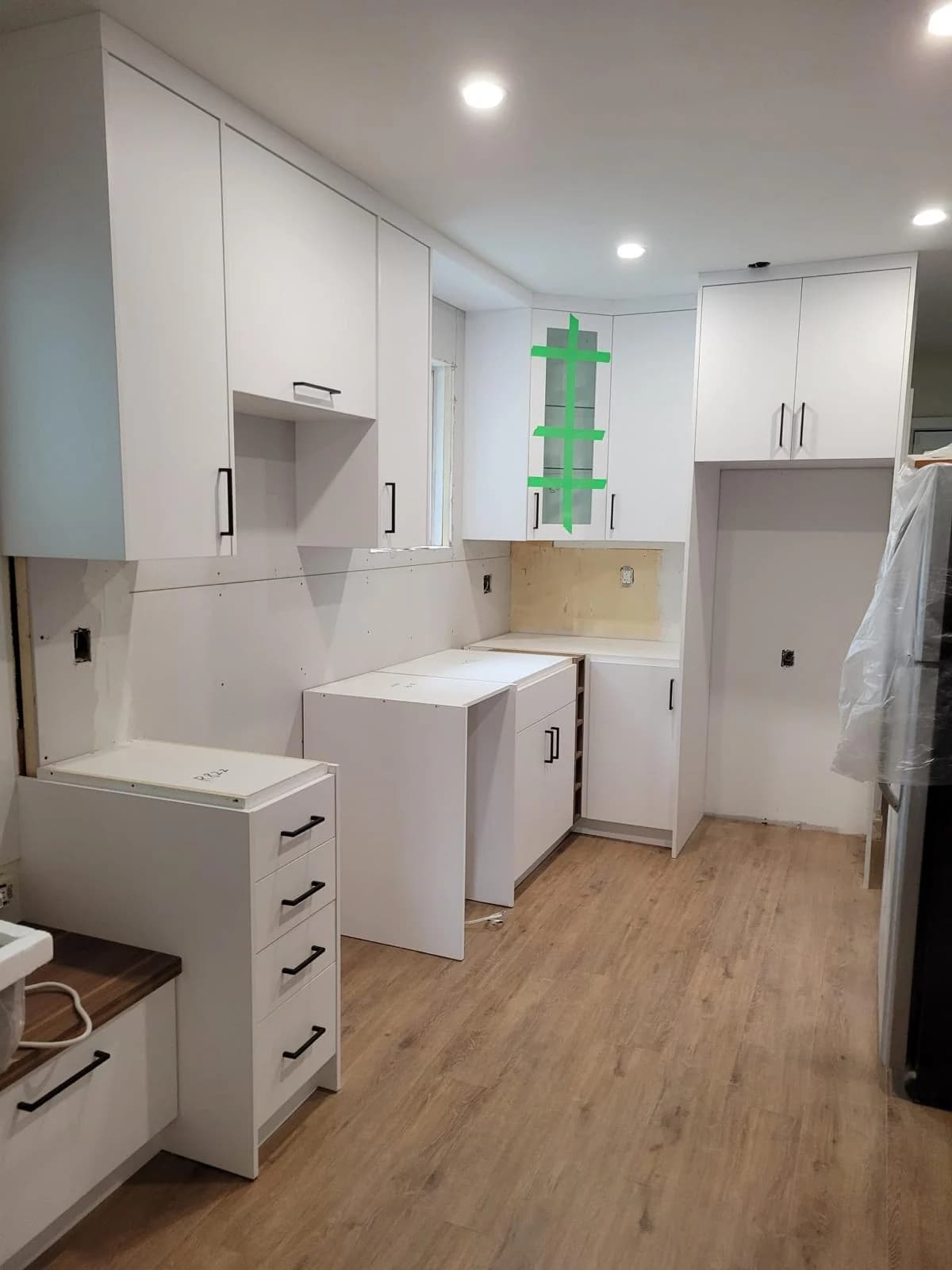
A delivery marked ‘complete’ is not always ready for installation. A vanity can arrive without its matching top, cabinet hardware can be back-ordered, or a box can hide a damaged panel. A delivery plan connects purchasing to the work that depends on it.
Confirm the exact products, who receives them and where they can be stored. Inspect deliveries early enough to resolve missing parts before the installer needs them.
Turn selections into an order list
Record the manufacturer, model, size, finish, quantity and any required accessories. Include the person responsible for supplying each item. A broad note such as ‘owner supplies faucet’ is less useful than a confirmed model with a delivery date and a list of included parts.
Ask the installer to check compatibility before purchasing. Appliance openings, fixture connections and cabinet dimensions need actual specifications. A product photograph cannot establish whether a selected item fits the planned space or works with the adjoining components.
Work backward from the task that needs the material
Identify when each item is needed on site. Some measurements can only be confirmed after earlier work is complete; other products need to be selected before that work starts. Put the dependency beside the item so a delivery date has context.
Treat an estimated shipping date and a booked site delivery as different stages. Ask who will confirm dispatch, receive tracking details and notify the contractor of a delay. If an essential item slips, review the work sequence before arranging a substitute or a return visit.
Arrange a realistic receiving plan
Confirm the delivery address, unit number, building contact and available access window. Ask whether the service stops at the curb, loading area or inside the unit. Check any elevator booking and building protection requirements with management before promising access.
Set aside a secure storage area that does not block circulation or ongoing work. Follow the product manufacturer’s storage and installation instructions, including any preparation period before installation. Avoid putting materials in a location where they will need to be moved repeatedly.
- Name the person receiving the delivery and their backup contact.
- Confirm the route from the unloading area to the storage space.
- Arrange the handling equipment or labour the delivery service does not include.
- Keep cartons and labels associated with the correct unit or room.
Inspect before the installation day
Check quantities and visible damage against the packing list. Photograph damaged packaging and affected parts, then follow the supplier’s reporting instructions promptly. Where an item cannot yet be fully inspected, record that limitation rather than marking everything verified.
Keep model labels, order references and relevant instructions with the project record. Tell the installer which items are ready and which remain unresolved. Do not conceal a damaged product in installed work simply to avoid a scheduling conversation; agree on the next step first.
Your planning checklist
- Confirm models, dimensions, quantities and accessories.
- Assign responsibility for purchasing and receiving.
- Match delivery dates to installation dependencies.
- Arrange access and suitable storage.
- Report shortages or damage before installation.