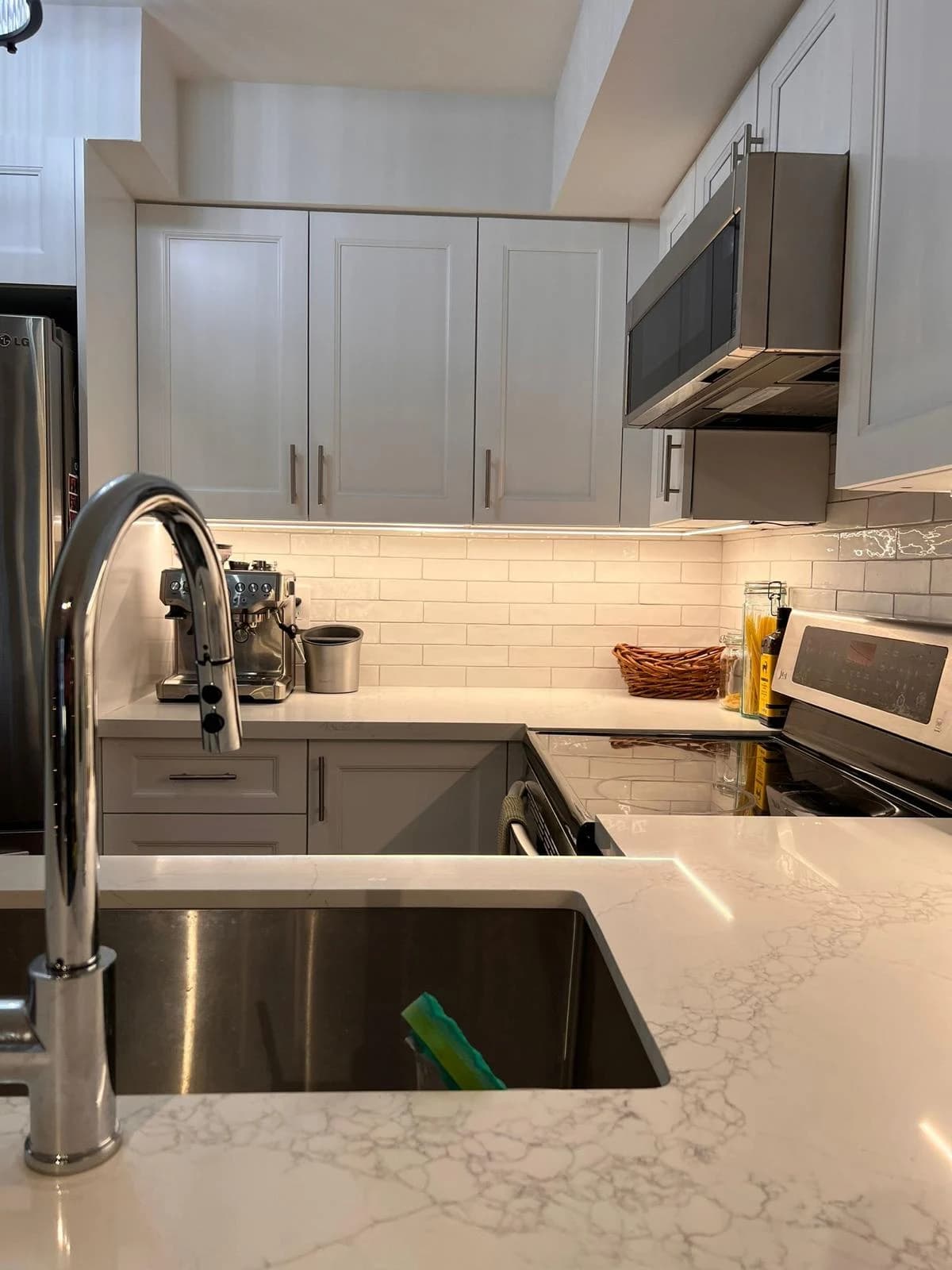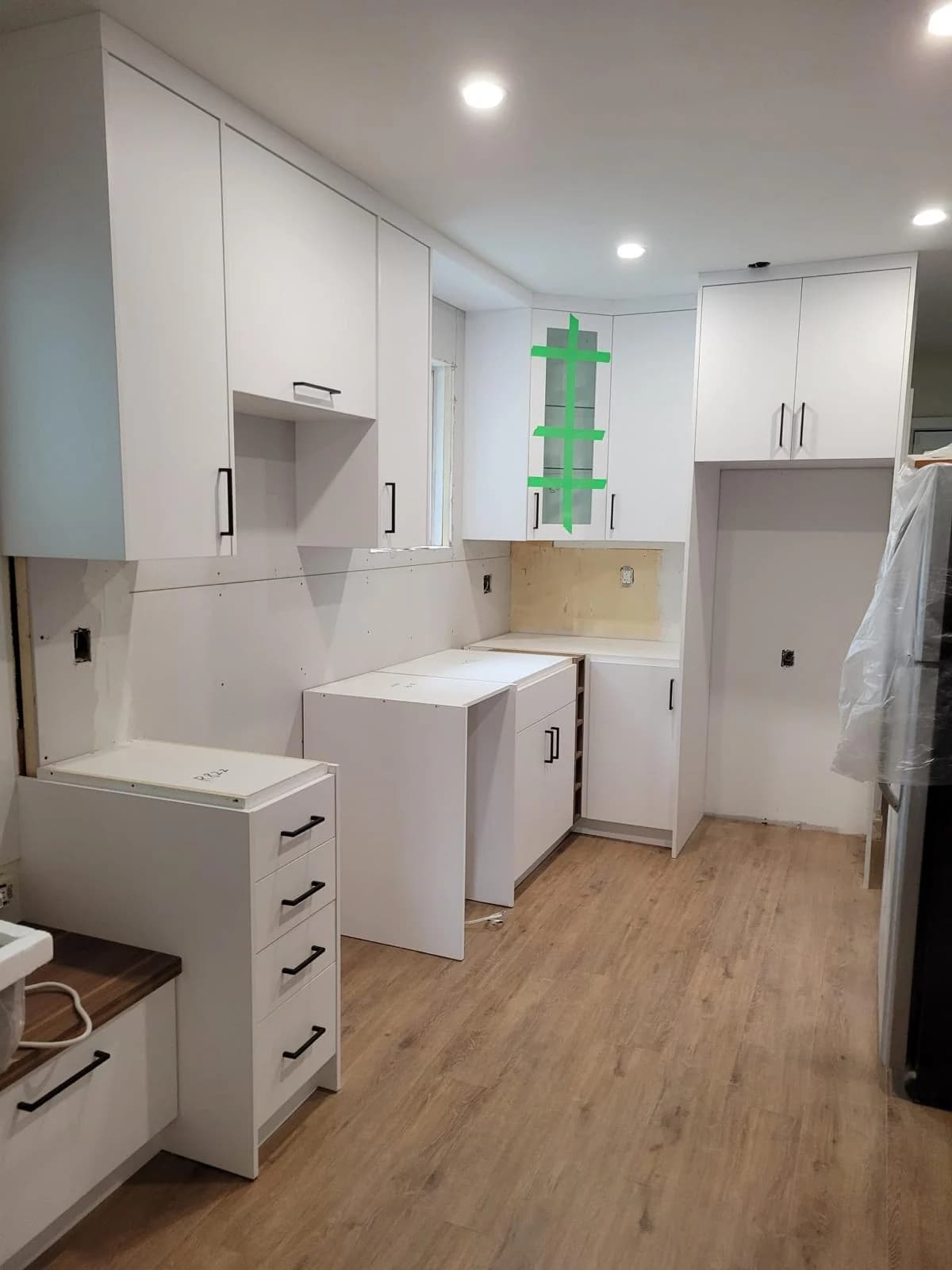
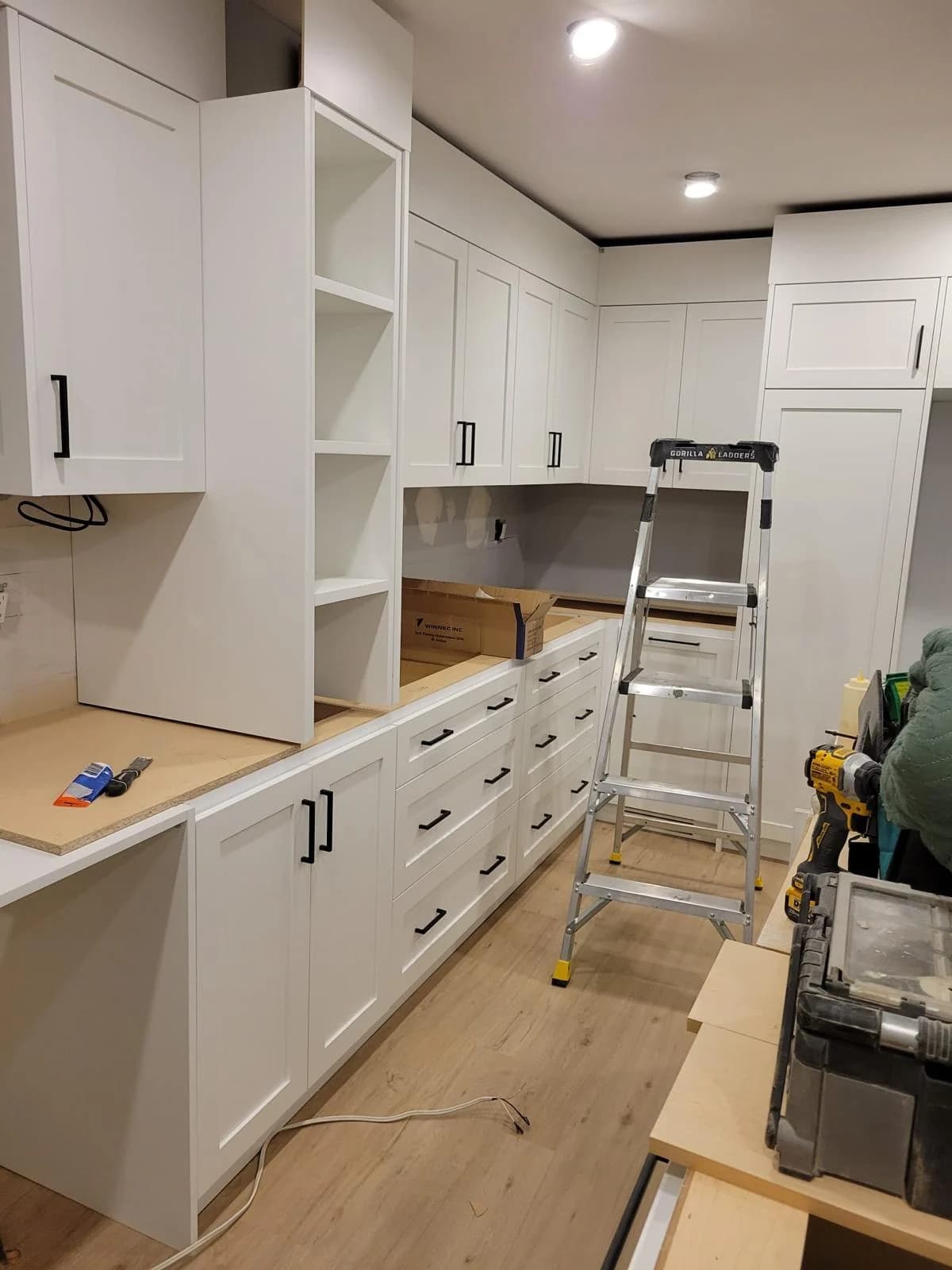
A renovation change often starts as a small conversation: move a shelf, replace one more door, or change a finish. The difficulty comes later when the owner, manager and installer remember different instructions. A short written change record keeps that decision connected to its cost and timing.
Describe the difference from the accepted scope, confirm the price and timing effects, and record approval before proceeding with the changed work.
Start with the original agreement
Reference the accepted estimate and the exact item being changed. State whether the request adds work, removes work or replaces one selection with another. ‘Upgrade bathroom’ leaves too much open; ‘replace the approved vanity with the named model and size’ gives the team something to check.
Separate a new preference from an unexpected condition discovered during work. Both may require a decision, but the explanation matters. Photograph a concealed issue when appropriate and identify what still needs investigation before anyone promises a complete repair price.
Record both additions and credits
A replacement selection can involve a credit for an omitted item as well as a charge for the new item. Show those pieces clearly. Confirm whether previously ordered materials can be returned and whether delivery, restocking or rework affects the proposed amount.
Label the tax treatment and the resulting change to the project total consistently with the original estimate. Do not add a provisional allowance to a confirmed price as though both were final. If an amount is still awaiting a supplier quote, say what must happen before it can be approved.
| Change record field | What to include |
|---|---|
| Reference | Job, estimate and change number |
| Scope | Original item and proposed replacement or addition |
| Price | Addition, credit, tax and revised total where confirmed |
| Timing | Ordering, access and sequence effects |
| Approval | Named decision maker and written response |
Check the knock-on work
Ask which completed or scheduled tasks depend on the change. Moving a cabinet can affect a countertop measurement, backsplash layout or appliance opening. The revised item may also have a different delivery date. The useful question is not only how long the change takes, but which other tasks must wait for it.
If a new finish is unavailable, do not assume a similar-looking substitute is acceptable. Share the product details and obtain a clear selection. Keep a decision deadline linked to the actual order or installation step, rather than an unexplained demand for an immediate answer.
Close the loop with the people doing the work
Once approved, update the working scope and tell the relevant trades which version applies. Keep the original estimate and the change record so there is a clear trail. An email approval is only useful if it clearly refers to the proposal being accepted.
At the final walkthrough, check the approved change alongside the original items. Include its reference in the invoice package where appropriate. If a proposal was declined or withdrawn, mark it that way so it cannot be mistaken for an instruction later.
Your planning checklist
- Reference the accepted estimate and affected item.
- Describe the addition, omission or replacement.
- Confirm credits, costs and timing effects.
- Record approval from the agreed decision maker.
- Give the revised scope to everyone affected.