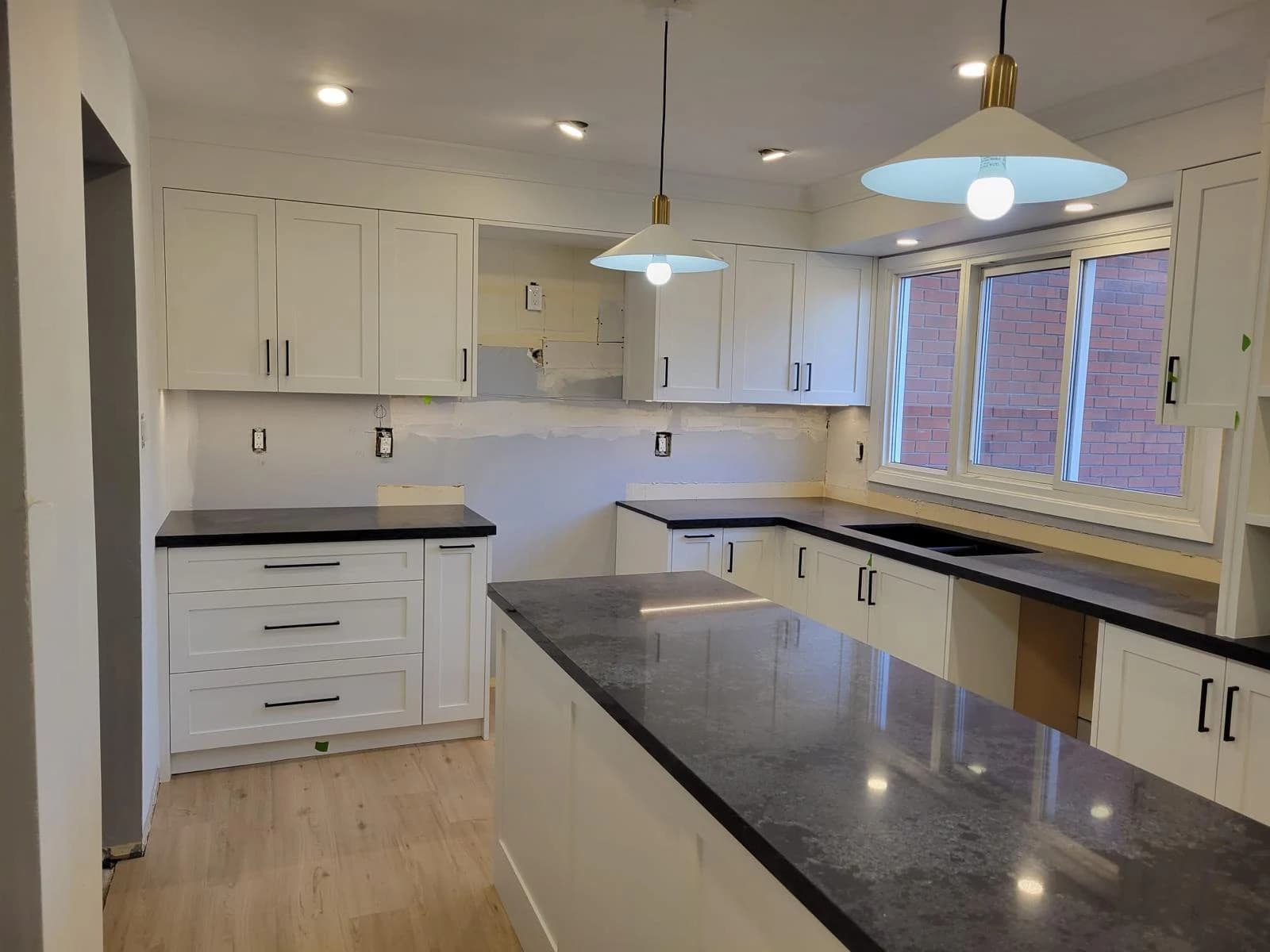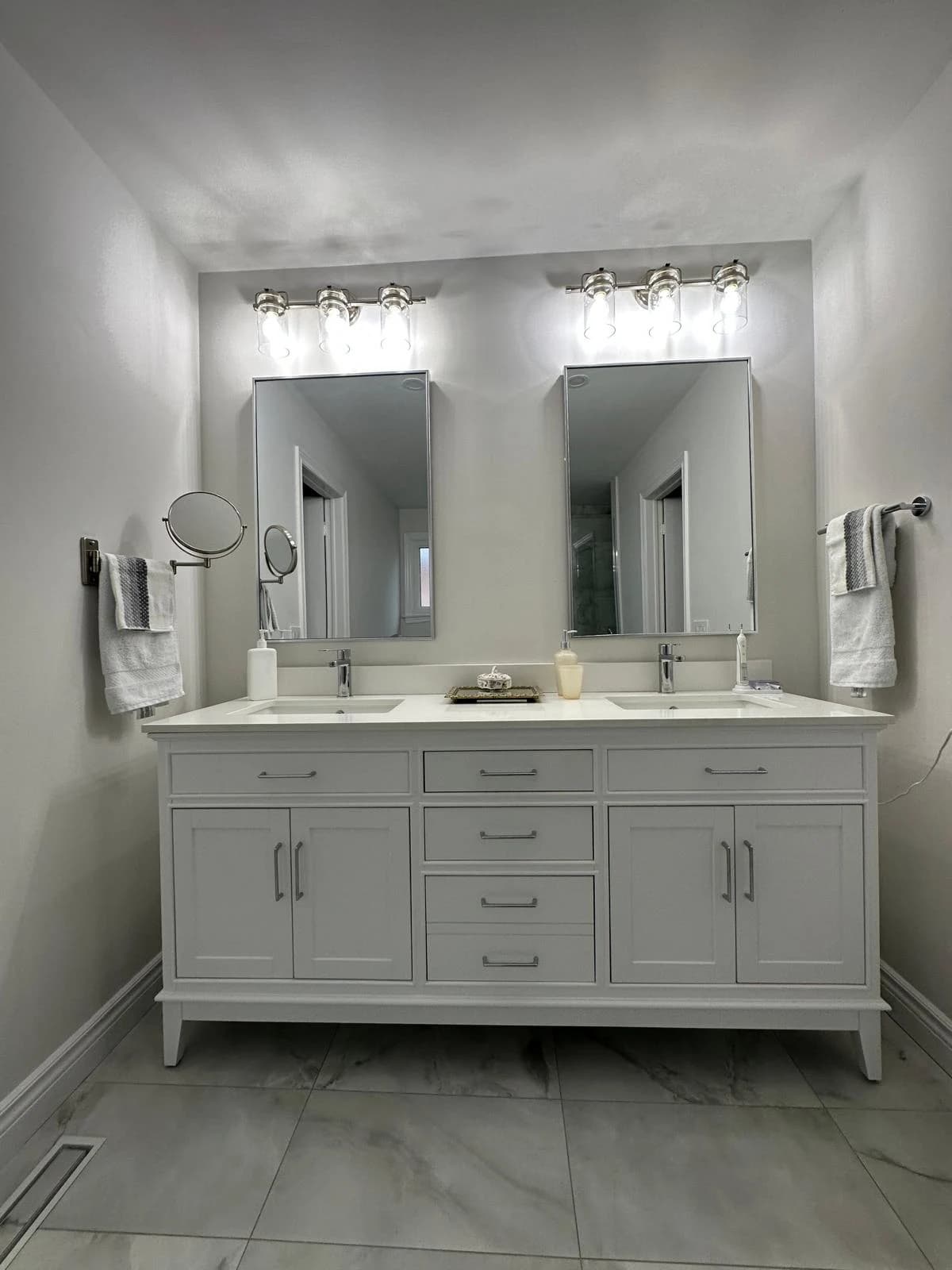
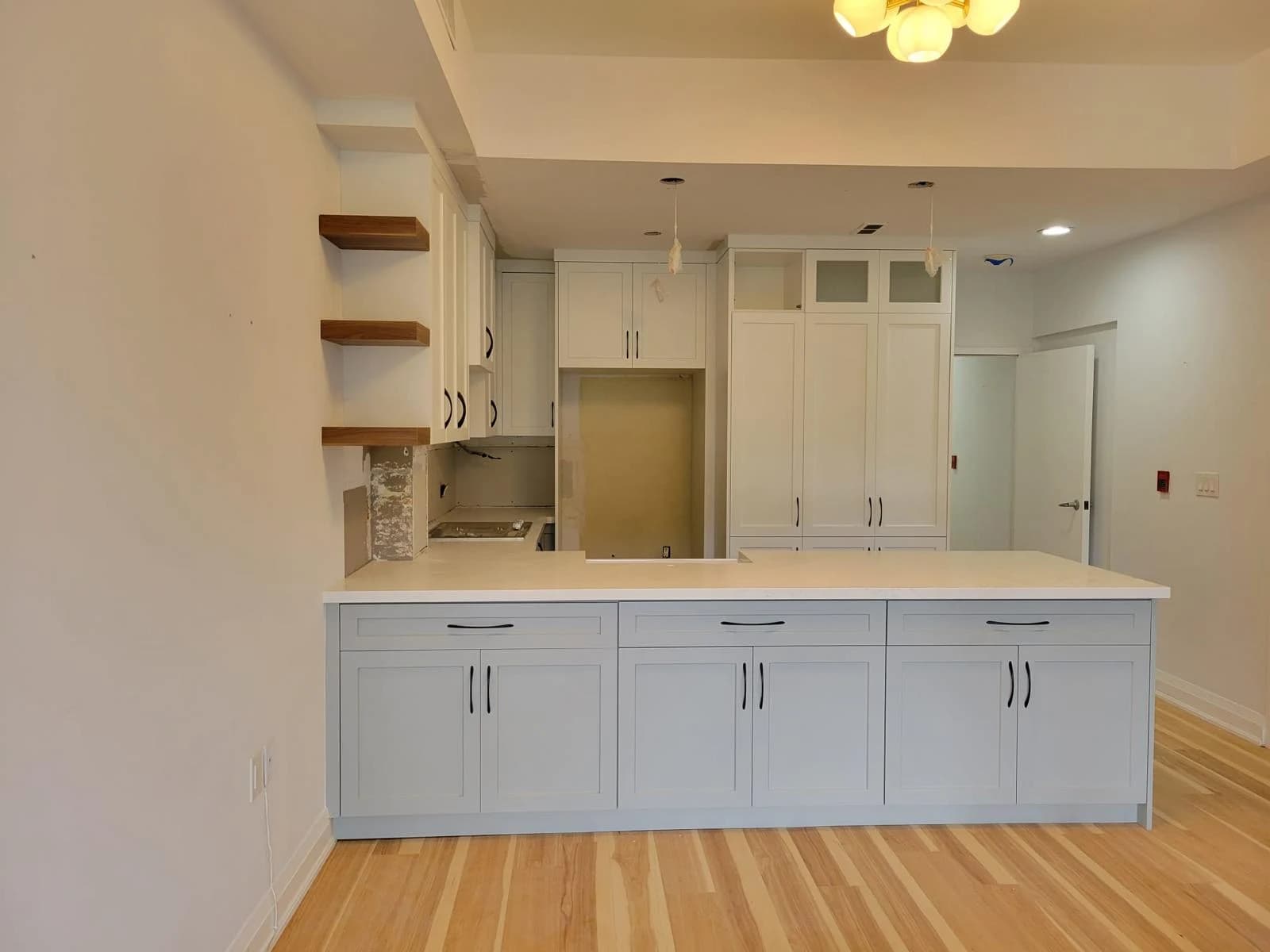
Two managers can use ‘second turn’ to describe quite different work. One means paint and minor repairs in a recently renovated apartment. Another expects fixture changes and new flooring. The label helps organize the job, but the written scope is what makes the estimate useful.
Use the unit’s condition to choose the work. A full turn, second turn or service job still needs a specific list of included tasks.
Use the labels as a starting point
For planning with Avey, a full turnover describes broader preparation across an empty unit. A second turn generally describes a lighter refresh where much of the existing interior can remain. A service job addresses a defined repair or maintenance need. These are working descriptions, not fixed packages or an industry-wide specification.
| Work type | Typical planning question | Scope to confirm |
|---|---|---|
| Full turn | Which parts of the unit need renewal? | Room-by-room repairs, replacements, finishes and cleanup |
| Second turn | What can stay in service? | Touch-ups, repairs and specific replacements |
| Service job | What problem needs resolving? | Diagnosis, repair, access and any finish restoration |
Look at condition before choosing a package
Check whether existing cabinets work properly, whether flooring damage is isolated and whether the paint can be matched. A unit with newer finishes may still need substantial repairs. An older unit may have several components worth keeping.
Ask for options when the choice is genuinely open. The estimate might separate repairing a cabinet door from replacing the full cabinet, with a note explaining the limitations of each. Avoid deciding solely from a room count; two two-bedroom apartments can have very different amounts of work.
Keep repeated building standards explicit
A manager handling several units can save discussion by supplying a finish schedule: wall colour, trim colour, approved flooring and standard hardware. Keep a short list of exceptions for each unit. This gives contractors a common starting point without hiding the differences between apartments.
If you call the work a second turn, attach that standard to the request. Include the unit number, bedroom count, photographs and the exact areas to be painted. State whether closets, ceilings and trim are included rather than relying on the label to cover them.
Know when a repair changes the plan
Opening a cabinet or removing a finish can reveal a problem that was not visible during the first walkthrough. Agree on how the finding will be documented, who can approve additional work and whether it changes the completion date.
A second turn does not need to become a full renovation because one component fails. Price the new issue separately, assess the work around it and make a written decision. The job record should still explain which work was originally agreed and which was added.
Your planning checklist
- Choose the work type, then list the actual tasks.
- Attach the building’s finish standards.
- Identify what stays and what is replaced.
- Agree who can approve changes.